
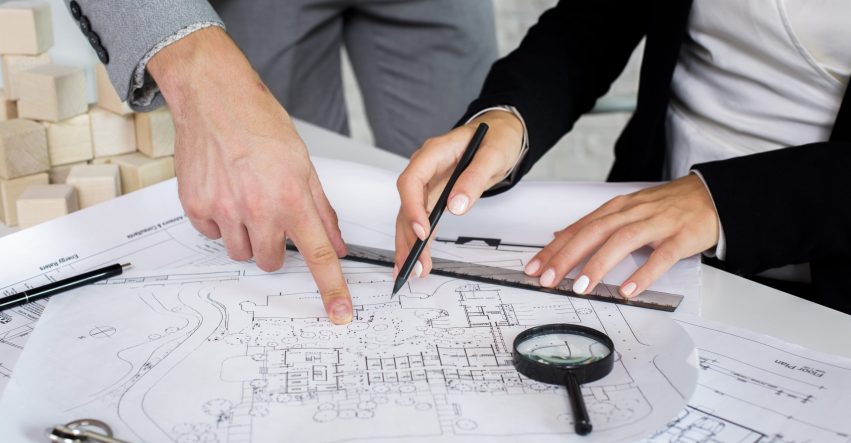
A building code consultant is a specialized technical advisor who helps developers, architects, and property owners navigate the complex web of local, state, and national building and safety regulations. While an architect focuses on design and an engineer on structural integrity, the code consultant focuses on compliance, ensuring that every aspect of a project, from fire safety to accessibility, meets the rigorous standards set by the International Building Code (IBC) and other governing bodies.
The primary role of these consultants is to manage risk and streamline the approval process. During the design phase, they perform comprehensive plan reviews to identify potential code conflicts before they become expensive mistakes in the field. This includes evaluating “life-safety” features like egress paths, fire-rated assemblies, and smoke control systems. For older buildings or unique architectural designs that don’t fit standard code language, consultants often develop Equivalencies or Alternative Methods, providing data-backed solutions that prove a non-standard design is just as safe as a traditional one, which is essential for obtaining a building permit.
Beyond the design board, code consultants act as a bridge between the private sector and city agencies. They possess deep knowledge of “Zoning Codes”, the rules governing how high or wide a building can be and can help owners maximize their property’s potential through zoning analysis or by applying for variances. When projects face delays due to misinterpreted regulations, the consultant steps in to negotiate with code officials, using their technical expertise to resolve disputes and keep the construction schedule on track.
In high-stakes environments, such as high-rise construction or healthcare facilities, a code consultant’s involvement is often a requirement for insurance and legal protection. By providing a “compliance roadmap,” they ensure that the design intent is maintained without compromising public safety. Ultimately, their goal is to transform “red tape” into a clear, manageable process that protects both the owner’s investment and the people who will eventually inhabit the space.